Shrimp Pond Water Characteristics: What They Mean and What to Do
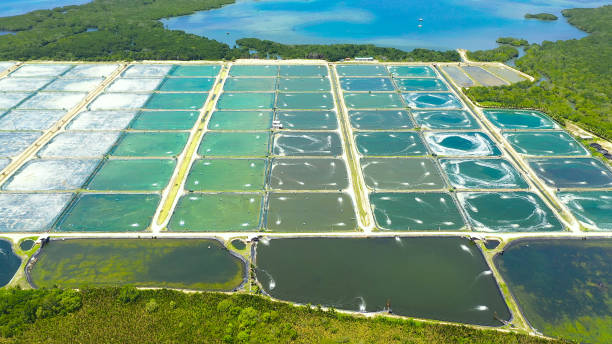
In shrimp farming, changes in pond water conditions are inevitable. Successful farm operation depends on the ability to correctly observe water characteristics, understand what they indicate, and apply appropriate management measures at the right time. Proper water management helps minimize risks, protect shrimp health, and improve survival rates and overall productivity.
This article outlines common pond water characteristics observed in Pacific white shrimp farming, clearly distinguishing ideal conditions from problematic scenarios, along with recommended actions for each case.
1. Diatom-Rich Brown Water: An Ideal Condition in Early Shrimp Culture
Why This Condition Is Desirable
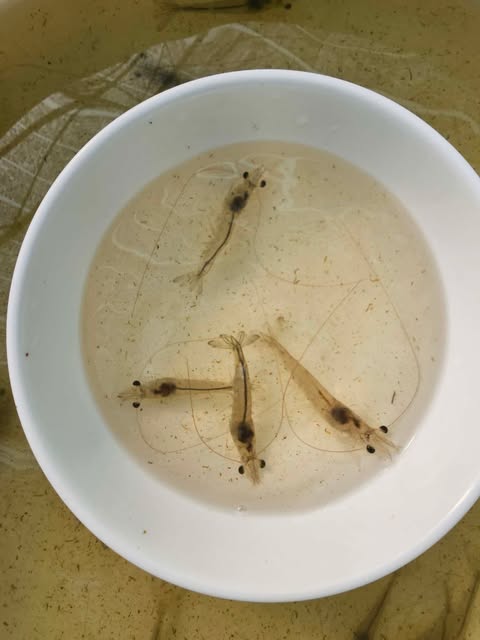
Pond water color is one of the most important visual indicators of biological balance. A stable, diatom-rich brown water condition is widely regarded as an ideal water state, particularly during the early phase after stocking.
This condition indicates the dominance of beneficial diatoms (siliceous algae) such as Chaetoceros, Nitzschia, Closterium, and Phaeodactylum tricornutum. These diatoms play a critical role in establishing a healthy pond ecosystem.
Diatom-rich brown water provides multiple benefits:
-
Serves as a natural food source for early-stage shrimp
-
Supports strong vitality and uniform growth
-
Improves digestion and nutrient absorption
-
Promotes clean body appearance and stable molting cycles
-
Contributes to overall pond stability
Because of these advantages, diatom-rich brown water is often the target water condition during the first stage of shrimp culture.
What to Do
When pond water remains stable and diatom-dominant:
-
No corrective treatment is required
-
Avoid unnecessary chemical or biological interventions
To maintain this favorable condition:
-
Periodically add clean water (approximately every 15 days)
-
Each water addition should account for 5–7% of total pond volume
This approach helps prevent excessive algal density while preserving the biological balance that supports shrimp growth and molting.
2. Pond Water Becomes Turbid in the Evening
What It Means
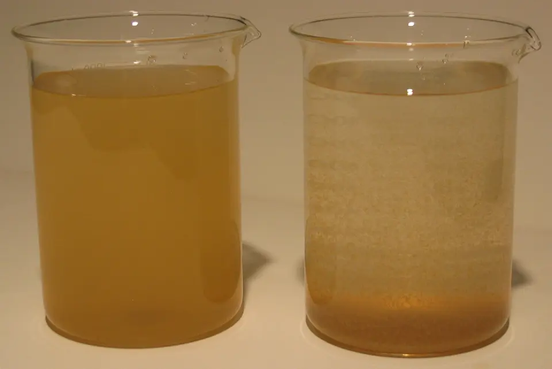
Turbidity appearing in the evening often indicates that shrimp are receiving insufficient feed. Shrimp naturally feed more actively at night. When feed is inadequate, shrimp disturb the pond bottom while searching for food, resuspending sediment and causing the water to become cloudy.
If this condition persists:
-
Shrimp are exposed more frequently to toxic compounds accumulated in bottom sediments
-
Shrimp may consume organic debris, introducing harmful bacteria into the digestive system
-
The risk of intestinal disease and reduced growth performance increases
What to Do
-
Inspect shrimp gut content. Dark or black fecal strands indicate feed deficiency and ingestion of organic waste.
-
Adjust feeding rates to meet actual shrimp demand.
-
Siphon accumulated waste and sludge from the pond bottom.
-
Apply beneficial probiotics to suppress harmful bacteria and restore microbial balance.
Maintaining a balanced pond ecosystem through biological management supports shrimp digestion, immunity, and long-term performance.
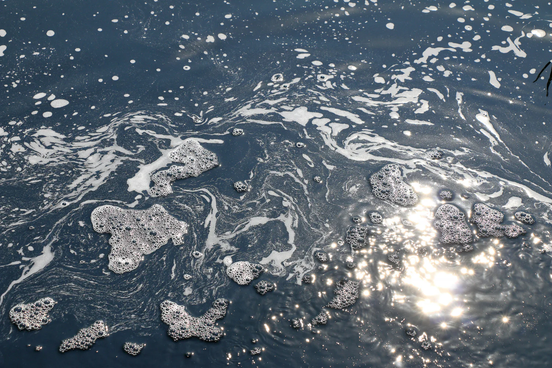
3. Persistent White Foam on the Pond Surface
What It Means
White foam that persists and dissipates slowly—especially during aeration—is a sign of excessive suspended organic matter in the pond. Common contributors include:
-
Decomposing algae
-
Uneaten feed
-
Filamentous bacteria
-
Fine soil particles and organic debris
Foam color may range from white to light brown, depending on the underlying cause.
When foam accumulates near areas with thick bottom sludge and is accompanied by black, foul-smelling sediment, it often indicates the presence of toxic gases such as hydrogen sulfide (H₂S) and ammonia (NH₃). Elevated concentrations of these gases can stress shrimp and, in severe cases, cause mortality.
What to Do
Immediate action is required when excessive foam appears:
-
Physically remove foam and decomposed algal scum from the pond surface.
-
Increase aeration and bottom oxygenation to maintain dissolved oxygen levels above 4 ppm.
-
Apply agricultural limestone in sludge-accumulated areas, particularly when pH is low, maintaining pH within 7.5–8.3.
-
Use biological products to treat both pond bottom and water column.
During treatment:
-
Reduce feeding rates by 50% until toxic gas levels decrease.
-
Resume normal feeding only after water quality stabilizes.
-
Supplement feed with vitamins, minerals, and digestive enzymes to support shrimp immunity and appetite recovery.
How to Prevent It
-
Monitor water quality parameters regularly.
-
Avoid overfeeding and long-term organic accumulation.
-
Apply probiotics consistently to stabilize water quality, decompose organic matter, and suppress pathogenic microorganisms.
Proactive pond management is essential for sustainable shrimp production.
Key Takeaways
-
Diatom-rich brown water is an ideal and desirable pond condition, especially during early culture stages.
-
Evening turbidity often signals feeding issues and should be corrected promptly.
-
Persistent white foam indicates organic overload and potential toxic gas formation.
-
Balanced feeding, proper aeration, sludge management, and biological control are critical for long-term pond stability.
More Related Articles


Managing Alkalinity in Shrimp Ponds: Why It Matters and How to Increase It Using Lime