Managing Alkalinity in Shrimp Ponds: Why It Matters and How to Increase It Using Lime
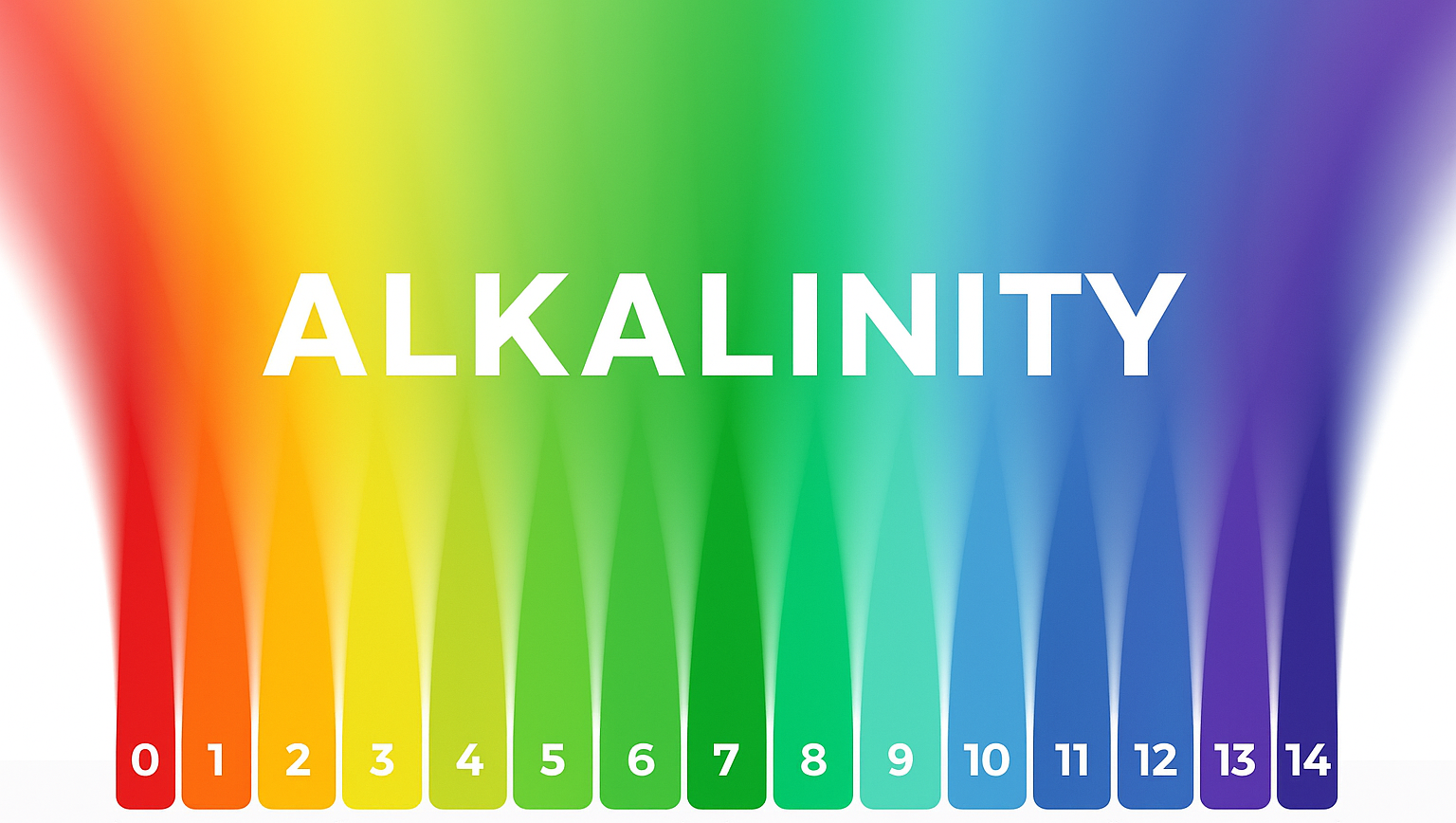
In shrimp farming, maintaining stable water chemistry is essential for shrimp health and consistent production performance. Alkalinity is one of the most critical water quality parameters to control. When alkalinity is too low, pond pH becomes unstable, causing stress, slow growth, molting problems, and in severe cases, mass mortality.
This article explains why alkalinity control is important in shrimp ponds and provides practical, step-by-step guidance on how to increase alkalinity safely and effectively using lime.
1. Why Alkalinity Control Is Important in Shrimp Farming
Alkalinity plays a key role in stabilizing the pond environment. It directly influences:
- pH stability
- Phytoplankton development
- Toxic gas formation (NH₃, H₂S)
- Shrimp molting and shell formation
Fluctuations in alkalinity often trigger a chain reaction that negatively affects water quality and shrimp performance.
Recommended Alkalinity Ranges
- Pacific white shrimp (Litopenaeus vannamei): 120–180 mg/L as CaCO₃
- Black tiger shrimp (Penaeus monodon): 80–120 mg/L as CaCO₃
Effects of Improper Alkalinity
Excessively high alkalinity:
- pH becomes stable but overly buffered
- Shrimp grow slowly
- Molting becomes difficult
- Shells harden excessively
Low alkalinity:
- pH fluctuates widely
- Shrimp experience stress and reduced growth
- Soft shells persist longer after molting
- Shrimp become weak and highly sensitive to environmental changes
- Risk of mortality increases
Maintaining alkalinity within the optimal range is therefore essential for stable shrimp production.
2. Increasing Alkalinity in Shrimp Ponds Using Lime
Common Causes of Low Alkalinity
Low alkalinity in shrimp ponds may result from one or more of the following factors:
-
Source water with naturally low alkalinity
-
Presence of snails, clams, mussels, and other bivalves that consume algae and absorb carbonate compounds
-
Acid sulfate or acidic pond bottoms
-
Excessive growth of bottom algae or filamentous algae
(In this case, algae should be treated first before increasing alkalinity)
Identifying the root cause helps ensure that alkalinity correction is effective and sustainable.
Practical Method: Increasing Alkalinity with Lime
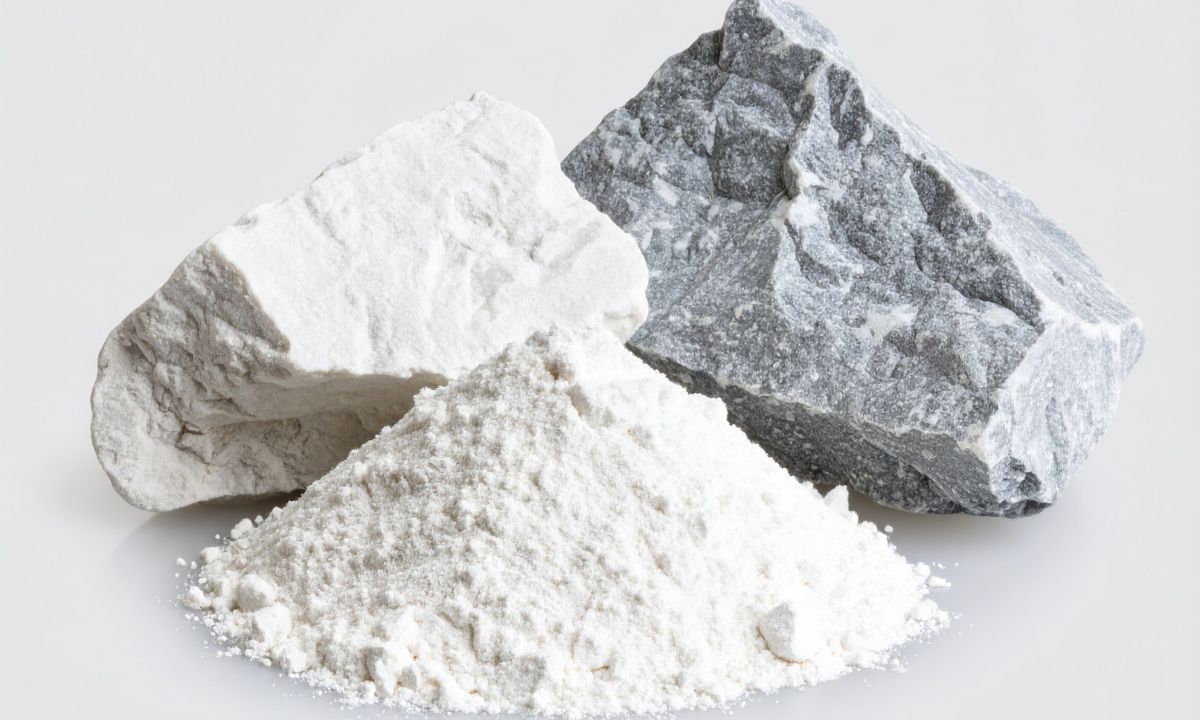
Applying lime is one of the most widely recommended and effective methods for increasing alkalinity in shrimp ponds.
Commonly used lime types include:
-
Dolomite (CaMg(CO₃)₂)
-
Quicklime (CaO)
-
Agricultural limestone (CaCO₃)
When applied to pond water, these materials release:
- Hydroxide ions (OH⁻)
-
Carbonate ions (CO₃²⁻)
-
Bicarbonate ions (HCO₃⁻)
These ions are the primary contributors to water alkalinity.
Recommended Dosage
-
20–30 kg (44–66 lb) of lime per 1,000 m³ of pond water
Application Procedure
Step 1: Remove snails, clams, mussels, and other bivalves from the pond.
Step 2:Treat and control excessive algae growth; stabilize pond water color.
Step 3: Select suitable lime (Dolomite or hydrated lime) based on pond conditions.
Step 4: Dissolve lime in clean water at a dosage of 20–30 kg (44–66 lb) per 1,000 m³.
Step 5: Evenly broadcast the lime solution across the entire pond surface.
Apply lime continuously for 2–3 consecutive days to gradually raise alkalinity levels.
In parallel:
-
Supplement alkalinity-enhancing minerals
-
Add vitamins to strengthen shrimp immunity and stress resistance
3. Important Notes When Increasing Alkalinity with Lime
-
Increase alkalinity gradually, dividing the total dosage over multiple days.
-
Avoid sudden alkalinity spikes that may shock shrimp.
-
Regularly test pond water alkalinity.
-
If alkalinity remains below the target range, apply additional lime in controlled amounts.
Slow, measured adjustments are safer and more effective than aggressive, one-time treatments.
Key Takeaways
-
Alkalinity is a critical factor affecting pH stability, shrimp molting, and overall pond health.
-
Low alkalinity leads to stress, slow growth, and increased mortality risk.
-
Lime application is a practical and effective method to increase alkalinity when done correctly.
-
Gradual adjustment, regular monitoring, and proper pond preparation are essential for success.
More Related Articles