Biofloc Technology: A Simple Guide to the Future of Sustainable Aquaculture
What Is Biofloc Technology?
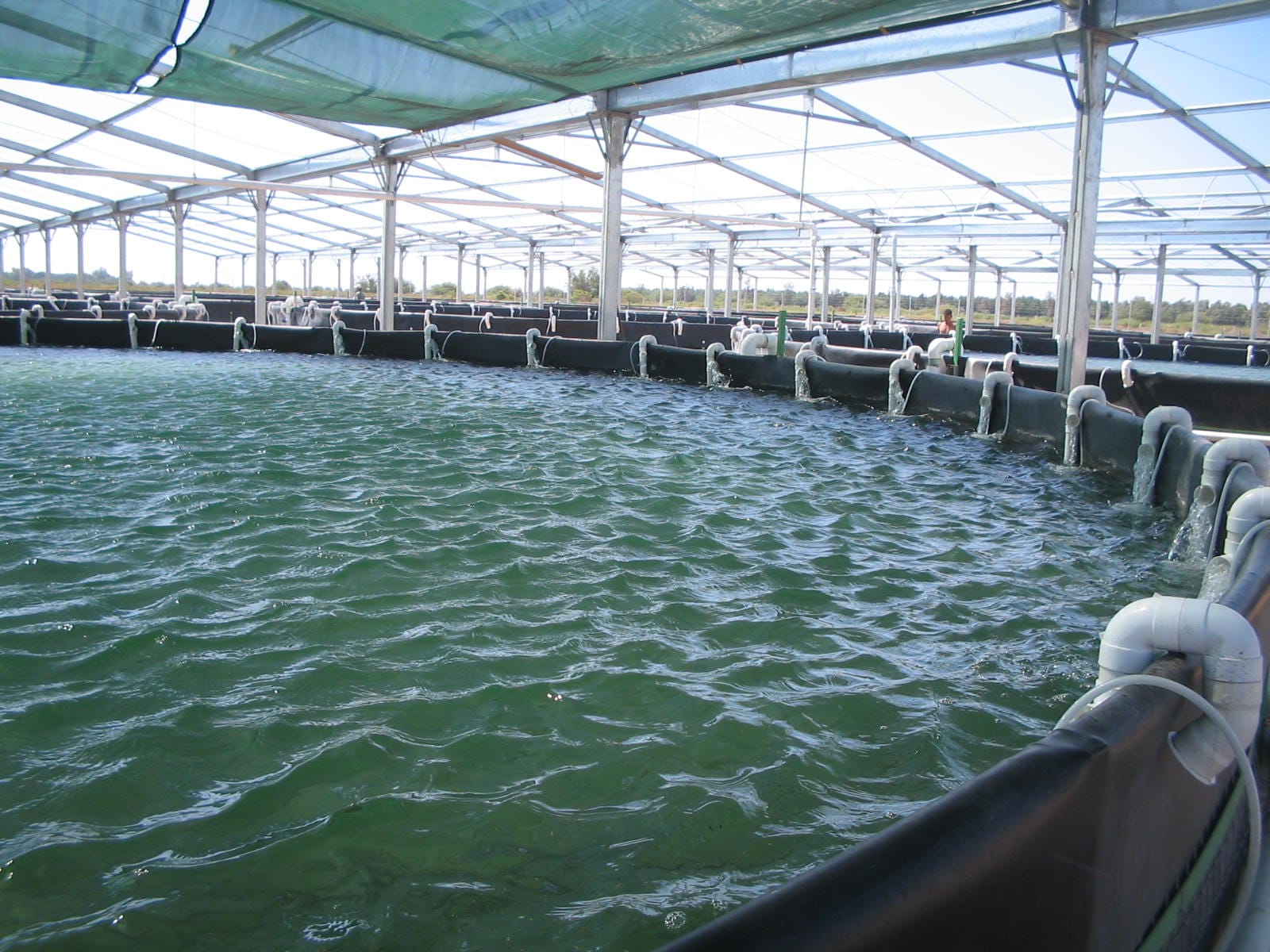
Biofloc Technology (BFT) is a modern method used in aquaculture that relies on beneficial microorganisms to clean the water and convert waste into a useful protein source for fish and shrimp. A “biofloc” is a mixture of algae, bacteria, leftover feed, and organic particles. Together, they form a small natural ecosystem that helps maintain good water quality.
This technology was created to give farmers better control over water quality, especially in areas where water is limited or land is expensive. BFT removes harmful nitrogen compounds and transforms them into protein-rich biomass that aquatic animals can eat. As a result, farmers can raise fish and shrimp at high densities with very little or even zero water exchange while still keeping the water suitable for growth.
How Biofloc Works
Biofloc functions through a simple but effective microbial process:
- Aquatic animals release waste, producing ammonia, which is toxic at high levels.
- Heterotrophic bacteria use added carbon sources (such as molasses) to grow rapidly and absorb ammonia from the water.
- As bacteria grow, they form clumps called “flocs.”
- These flocs are rich in protein and nutrients, and many species, such as shrimp and tilapia, can eat them directly.
- This creates a recycling loop, reducing waste, improving water quality, and lowering feed costs.
This natural conversion process is what makes BFT both sustainable and efficient.
History of Biofloc Technology
Biofloc technology first appeared in the 1970s at IFREMER, a French marine research institute in Tahiti. It was originally developed as an alternative to traditional farming methods such as extensive or semi-intensive systems.
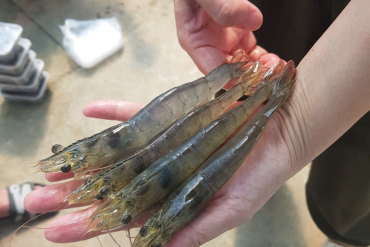
By the late 2000s, BFT expanded to various species, including whiteleg shrimp, tilapia, channel catfish, and several cichlid species. Shrimp and tilapia are especially well suited to this technology because they can eat biofloc directly as a natural protein source and adapt easily to this type of environment.
Before the 2000s, BFT was not widely accepted because many farmers believed clear water was always better for raising aquatic animals. This perception changed when the shrimp industry suffered major losses due to viral diseases. From that point, BFT became a preferred option thanks to its strong environmental control and high biosecurity.
Advantages of Biofloc Technology
Biofloc systems offer many important benefits:
- Environmentally friendly: Almost no wastewater is discharged, which helps reduce pollution and prevents introducing diseases from outside sources.
- Saves water and land: Ideal for areas with limited water or small farming space.
- Better water quality: Microorganisms break down waste continuously, preventing the buildup of harmful substances like ammonia and nitrite.
- Improved growth and survival: Many studies show that fish and shrimp grow faster and have better feed conversion in biofloc systems.
- Lower feed costs: Biofloc provides a natural protein source, so farmers can use less high-protein commercial feed.
- Higher biosecurity: Limited water exchange reduces the risk of disease entering the farming system.
Disadvantages and Challenges of Biofloc Technology
Despite its benefits, BFT also presents several challenges:
- High energy use: Continuous aeration and mixing are necessary to keep floc particles suspended and maintain oxygen levels.
- Slow response to water quality changes: The system can take time to stabilize once conditions shift.
- Nitrate buildup: If not managed properly, nitrate levels can rise too high, potentially stressing fish and reducing growth.
- Need for alkalinity supplements: These help maintain stable conditions for microbial activity.
- Weather dependence in outdoor systems: Sunlight and seasonal changes can affect biofloc performance.
- Frequent maintenance: The system must be monitored closely, which can increase operating costs.
Conclusion
Biofloc Technology is an innovative and sustainable approach to aquaculture. It transforms waste into valuable protein, supports high density farming, and greatly reduces the need for water exchange. BFT provides economic, environmental, and biosecurity benefits, making it a promising direction for the future of aquaculture.
However, continued research and technological improvement are still needed to make the system more stable, more cost-efficient, and easier to manage, allowing wider adoption in the aquaculture industry.
More Related Articles
Managing Alkalinity in Shrimp Ponds: Why It Matters and How to Increase It Using Lime