Recalls of Frozen Shrimp Products Due to Potential Safety Concerns in 2025
In 2025, the most significant shrimp recalls in the United States stemmed from potential contamination with cesium-137 (Cs-137), a radioactive isotope potentially increasing a person's cancer risk. The recalls mainly targeted frozen shrimp imported from Indonesia and processed by PT. Bahari Makmur Sejati (also known as BMS Foods). The crisis began in August 2025, when U.S. authorities detected Cs-137 during routine border screening, triggering a wave of voluntary recalls by distributors.
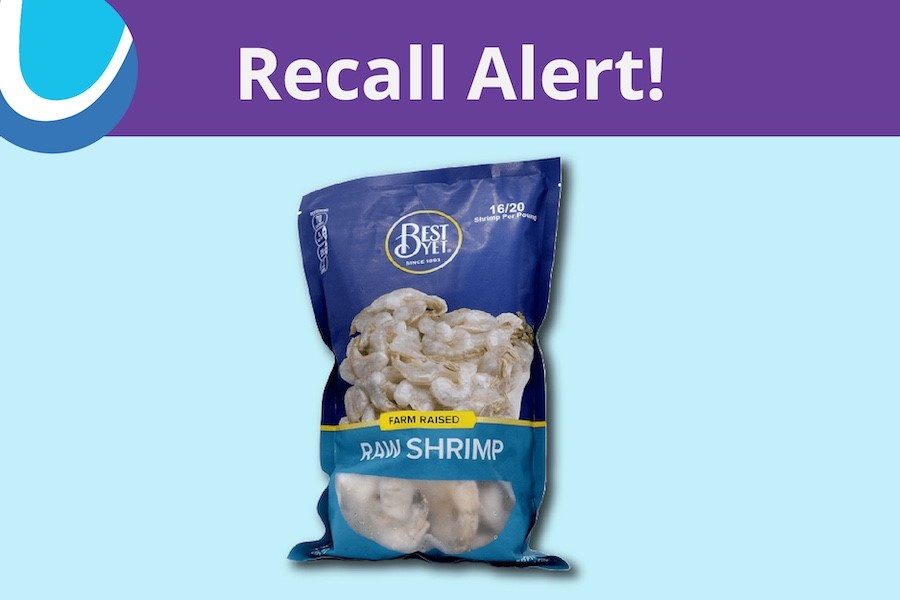
The U.S. Food and Drug Administration (FDA) then placed the processor on an import alert on August 14. This was followed by a series of subsequent events.
-
Early August 2025: The FDA detected Cs-137 in a frozen shrimp sample from Indonesia during routine border screening. U.S. Customs and Border Protection also identified traces of the same isotope in shipping containers, prompting an immediate investigation. Although the detected levels in the products were low (68 Bq/kg), the agency placed BMS Foods on an import alert to prevent additional shipments from entering the country.
-
September 2025: Recall momentum continued to build with multiple expansions. On September 23, Southwind Foods and Lawrence Wholesale LLC recalled Kroger-brand products, weighing nearly 157,000 pounds. These products had been distributed from June to September across more than 30 states. By the end of the month, four other firms had issued recalls.
-
October 2025: On October 7, the FDA issued a statement reaffirming that no products that tested positive for Cs-137 had entered the U.S. Effective October 31, import certification will be required for shrimp from certain Indonesian regions, with Indonesian agencies designated as the certifiers.
-
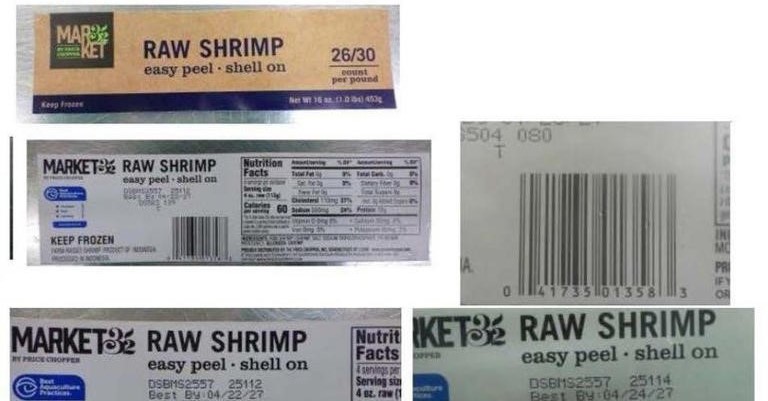
November-December 2025: Sea Port Products Corp. recalled raw frozen easy-peel shrimp distributed from July to September in Western states and American Samoa. On December 19, Direct Source Seafood LLC recalled about 83,800 bags of Market 32 and Waterfront Bistro branded shrimp. As of the latest update, the FDA continues to monitor shrimp recalled, with no reported illnesses.
What is Cesium-137?
Cesium-137 is a man-made radioactive isotope of the element cesium, produced as a byproduct of nuclear fission in reactors or nuclear weapons. It takes about 30 years for its radioactivity to drop by half. It can persist in the environment and enter food chains through soil, water, or air contamination from events such as the Chernobyl disaster in 1986 or Fukushima in 2011.
In the case of the shrimp contamination, the detected levels were very low, only around 68 Bq/kg, far below the FDA’s intervention threshold of 1,200 Bq/kg. Although short-term exposure from a single meal poses no acute health risk, long-term consumption at elevated levels could increase cancer risk. Experts emphasize that there is no cause for concern, as no illnesses have been found linked to these products. The contamination detected in the Indonesian distributor's container appears to stem from environmental sources, possibly related to industrial discharge or naturally occurring radioactive materials in coastal areas.
How Many Firms Have Recalled?
As of December 20, 2025, at least seven U.S. firms (importers and distributors) had issued voluntary recalls for frozen shrimp potentially exposed to Cs-137. These include:
-
Beaver Street Fisheries, LLC (Great value for Walmart)
-
Southwind Foods, LLC (Arctic Shores, Best Yet, First Street, Great American, Sand Bar)
-
AquaStar (USA) Corp (Kroger, Kroger Mercado, AquaStar skewers)
-
Lawrence Wholesale LLC (Kroger brands)
-
Sea Port Products Corp (Sea Port brand)
-
Direct Source Seafood LLC (Market 32, Waterfront Bistro)
These recalls covered hundreds of thousands of pounds of product that had been distributed across more than 30 states from June to September 2025. The number of recalls could increase if further investigations identify more affected products, batches, or suppliers linked to the contamination issue.
Did the U.S. government take any action?
U.S. authorities responded quickly once traces of cesium-137 were detected in Indonesian shrimp shipments. In early August, after routine border screening identified the isotope in a frozen shrimp sample, the Food and Drug Administration (FDA) placed BMS Foods on an import alert on August 14, preventing additional shipments from entering the country without strict examination. The FDA also worked with U.S. Customs and Border Protection, which detected similar traces of Cs-137 in shipping containers and began holding suspect cargo for further examination. As investigations expanded, the agency announced that effective October 31, import certification would be required for shrimp originating from certain Indonesian regions, with Indonesian authorities designated to verify product safety. Throughout the process, the FDA issued multiple public notices and recall updates while continuing to monitor products already in the market.
Conclusion
The 2025 shrimp recall marked one of the largest events related to seafood safety in recent years. Numerous U.S. distributors were involved, along with hundreds of thousands of pounds of imported product. Although the detected cesium-137 levels were lower than the FDA's intervention threshold, the recall brought home the importance of routine border inspections and swift regulatory action. Through import alerts, strengthened certification requirements, and enhanced monitoring of shrimp imports and recalled products, U.S. authorities moved to prevent potentially contaminated shipments from reaching consumers. The incident highlighted the need for continued vigilance in the global seafood supply chain.
More Related Articles